ESCAPING
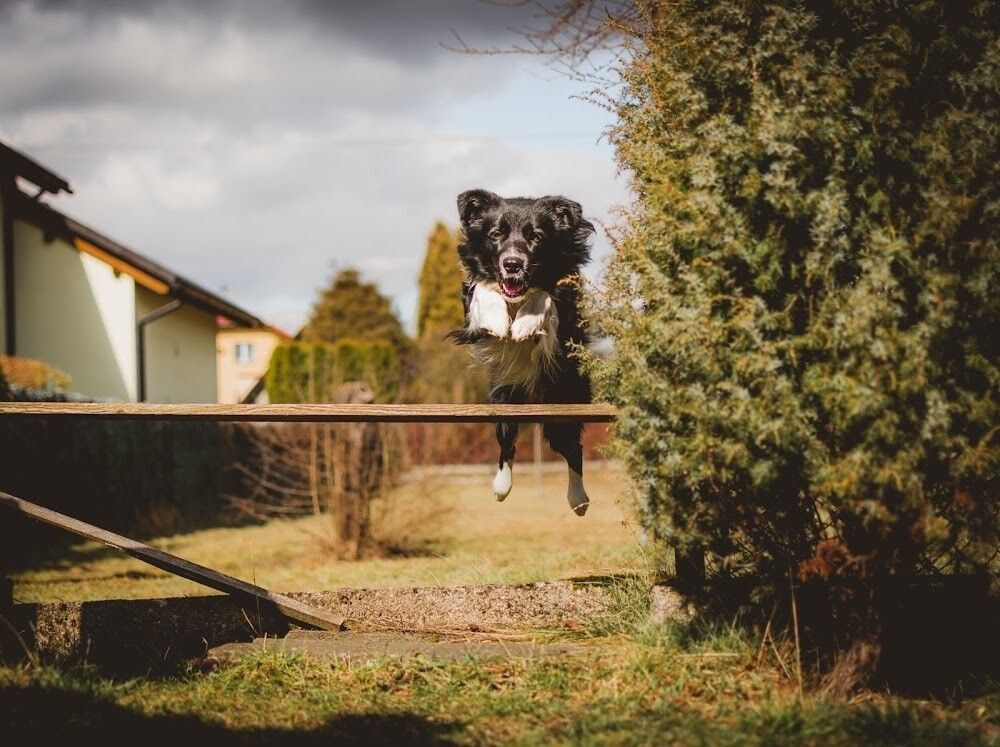
Escaping Dogs
Coming home to find that your dog has escaped is extremely upsetting. It’s often hard to understand why a dog would want to escape their home, and often some dogs have learned and practiced this behaviour over a long period.
Why Would Dogs Want to Escape?
The need for social contact (dogs and humans)
Dogs in season
Boredom
Fear/anxiety (thunderstorms, fireworks, separation distress)
Outside stimulus (cat walking past, another dog, something interesting) Social facilitation (following another dog)
How Can Dogs Escape?
Jumping
Climbing
Pushing through or under a fence by force
Digging under a fence
Chewing through a fence
Find Out How and Why
In order to prevent escaping, it’s important to find out why and how your dog is escaping. There are a number of options for recording a dog while you aren’t home: Video cameras (D-Link), apps (Dog Monitor) that stream live onto your smart phone, iPad recording.
If appropriate have a talk with your neighbours if they notice when and how your dog escapes. Escaping is a learned and self-rewarding behaviour and gets worse the more a dog practices it. In fact dogs can get better at it each time they escape (e.g. increasing the fence height can force a dog to get better!). Like any unwanted behaviour, you need to prevent the behaviour from occurring, teach and redirect your dog to a more desired behaviour, and reward the desired behaviour highly.
Prevention - Keeping Your Dog Safe
Short-Term Solutions
Your dog needs somewhere to feel safe, particularly if they escape due to fear. Crating - is only a short term confinement option (4 hours or less). Your dog must be taught to be comfortable in a crate first.
Denning - e.g. laundry, garage, under the house, sectioned off area in the house. Once again, your dog must be taught to be comfortable in the area first, before being left for long periods. Keeping your dog inside - some dogs like to be inside, away from the noises of the external environment where they feel safer.
Tethering - tethering your dog on a rope or chain should only be done under supervision. Dogs can easily get tangled and even strangle.
A Skyline may be a safer option to look at.
Longer-Term Solutions
Fencing tricks including roller bars, netting facing inwards 45 degrees and a second/double fence may deter fence scalers/climbers as they have difficulty getting access.
This is a great video from Ipswich City Council on fencing solutions for escaping dogs: Keeping Your Dog From Jumping Fences

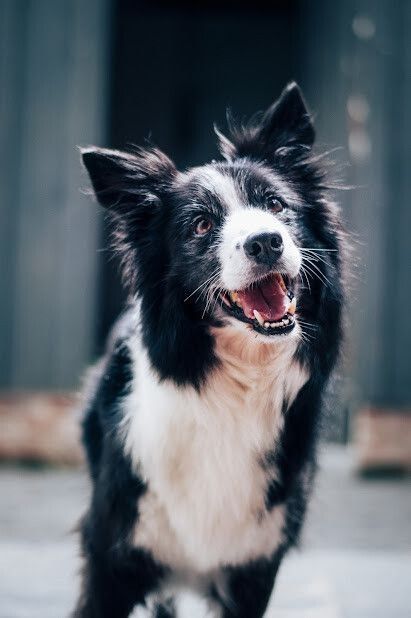
Desexing
This may prevent a dog from the desire to roam. Roaming is often greatly reduced by neutering. http://www.merckvetmanual.com/dog-owners/behavior-of-dogs/normal-social-behavior-in-dogs
Electronic Fences 💥
We DO NOT RECOMMEND the use of electronic boundary fences. Using these systems can make an already anxious or fearful dog worse, create negative associations with people and other animals and does not address the underlying cause of why your dog is escaping. Please speak with a qualified dog trainer that uses modern, science-based methods to help you find out causes and come up with a behaviour modification plan.
Separation Distress/Separation Anxiety Related Escaping
Some dogs suffer from anxiety when away from their owner. This can often cause a dog to escape to look for their owner or any social contact. Setting up video cameras is a good way to find out if your dog is really anxious, by observing the behaviours they show. Continual pacing, vocalization and destructive behaviours including escaping can indicate anxiety. We recommend you work with an accredited vet behaviourist and trainer with diagnosed separation anxiety to develop a behaviour modification plan.
Separation related distress may be overcome with a behaviour modification plan designed by a trainer (e.g. If your dog is a new dog to the home, a new puppy or a change of home). Our Home Alone info may help with this.
Is Your Dog Bored?
If you have observed your dog being destructive and escaping on your video, but you don’t suspect they are anxious, introducing a comprehensive enrichment program may help.
It’s important to tailor your dog’s enrichment program specifically to them. What works for one dog will not work for all dogs. Take some time to find out what your dog really likes and include their breed/s in your research (e.g.digging for terriers, scent games for hounds, water play for retrievers).
What activities and food do they enjoy? Do they enjoy pushing or pulling toys around, or would they rather sit still and work food out of a toy? Involve all 5 senses: Taste, Smell, Touch, Vision and Hearing. Check out our enrichment basics ideas.
To Sum Up
Find out the cause of the escaping and the means of escape.
Try to use the short and long term solutions to prevent the escape.
Make sure your dog has lots of things to keep them occupied when left alone and a comfortable and enriched environment.
Seek assistance from a Behaviour Vet and/or a professional trainer for separation-related escaping